
Selecting the right studio space is quite important for the success of your creative project in Kingston. Begin by considering the purpose of your shoot, as different activities require distinct setups. For instance, a larger space with high ceilings may suit a video production better than a smaller area. Lighting also plays a crucial role; check if natural light or proper artificial lighting is available to elevate your work. Don’t forget about audio quality, especially for podcasts, soundproofing and good microphones can make all the difference. Additionally, accessibility is key; ensure it’s easy for everyone involved to reach and has sufficient parking options too. Taking these factors into account will help you find a studio that meets your needs effectively and enhances your creative output.
Table of Contents
- Studio Size and Available Space
- Lighting Options
- Backdrops and Equipment
- Props and Shooting Facilities
- Location, Parking, and Accessibility
- Booking Times and Studio Policies
- What is Included in the Rental Price
- Questions to Ask Before Making a Booking
- Common Mistakes to Avoid
- A Simple Checklist for Choosing the Right Photo Studio
- Local Relevance to Kingston and Jamaica
- Detailed Overview of Dope Brand Studio
- Frequently Asked Question
1. What to Consider Before Choosing a Studio
Before booking a studio, it’s essential to define the specific type of project you’re working on, whether it’s photography, video, or a podcast. Each of these requires different space and equipment setups. Next, think about the studio’s vibe and whether it aligns with your creative vision. Do you prefer a modern, rustic, or minimalistic feel? This could influence the mood of your project.
Check the studio for adequate power outlets and extension leads, as these are vital for your equipment. It’s also worth confirming if you can customize the space to meet your specific needs, such as rearranging furniture or adding props. Additionally, understanding the studio’s cancellation policy and flexibility with booking changes can save you from potential headaches later on.
Researching the studio’s reputation is crucial; reading reviews from previous clients gives you insight into their experiences. If possible, ask for a tour of the studio before making a commitment. This will help you visualise your setup and how everything will fit together.
Consider noise levels and any potential distractions, especially for projects that require focus and clarity, like podcasts. Lastly, look into any additional services the studio may offer, such as editing or production support, and ensure that the studio aligns with your budget while providing good value for your investment.
- Define the specific type of project (e.g., photography, video, podcast) to understand space requirements.
- Assess if the studio’s vibe matches your creative vision (modern, rustic, minimalistic).
- Check for availability of power outlets and extension leads for equipment.
- Confirm if you can customise the studio space according to your needs.
- Inquire about the studio’s cancellation policy and flexibility with booking changes.
- Research the studio’s reputation and read reviews from previous clients.
- Ask for a tour of the studio before booking to visualise your setup.
- Consider the studio’s noise levels and potential distractions during your session.
- Look into additional services offered (e.g., editing, production support).
- Evaluate your budget and ensure the studio aligns with it while offering good value.
2. Studio Size and Layout
When selecting a studio space, the size and layout are key factors to consider. Start by measuring the total area of the studio to ensure it can comfortably accommodate your crew and gear. A spacious environment allows for better movement and workflow, reducing the chances of clutter during shoots. Pay attention to the studio’s shape as well; rectangular spaces may offer different lighting dynamics compared to square ones, which can affect the overall mood of your shoot.
It’s also wise to check for designated areas for equipment storage, as having a specific spot to keep your gear can help maintain organisation during busy sessions. Ensure that there is enough clearance for lighting setups, particularly overhead, to avoid any complications with lighting arrangements. Studios for shooting and editing should have separate zones for different activities, helping enhance productivity.
Flexibility is another important aspect; inquire if you can rearrange furniture or props within the space to suit your creative needs. The floor surface is worth evaluating too, as carpet may hinder mobility, while hardwood could provide smoother movement for equipment. Finally, consider the ceiling height, especially for video work that requires overhead lights, and assess any potential obstacles like beams or columns that could disrupt your setup.
3. Lighting and Photography Equipment
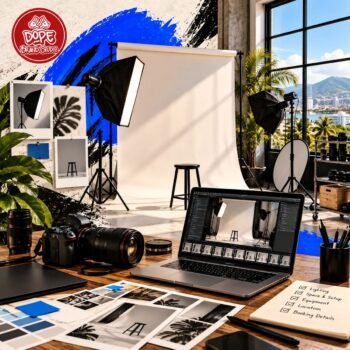
When selecting a studio space, lighting and photography equipment are vital considerations. Start by confirming whether the studio has access to natural light, as this can enhance your shoot. It’s essential to know if this light can be controlled or blocked, so you can manage the atmosphere effectively.
Next, ask about the types of artificial lighting available. Studios may offer LED or tungsten lighting, each with different qualities and power ratings. Understanding what is on hand will help you plan your setup. Additionally, check if the studio provides light modifiers like soft boxes or umbrellas, which can soften harsh light and create a more flattering look.
Reflectors and diffusers are also beneficial for manipulating light, so inquire if these are available as well. Don’t forget to ask about light stands and mounting equipment; having sturdy support for your lights is crucial to achieving the desired effects. For video work, studios with continuous lighting options can make a significant difference in the overall quality of your footage.
Ensure that there are adequate power sources for all your lighting gear, as some setups can be quite power-hungry. It’s also wise to discuss the studio’s approach to lighting safety and regulations, ensuring that everything is up to standard. If you’re new to lighting, see if the studio offers tutorials or support, which can be incredibly helpful. Lastly, check for a backup power source; this can save your shoot from unexpected interruptions due to outages.
4. Backgrounds and Setup Options
When selecting a studio, the variety of backgrounds and setup options available can greatly influence your project. Start by asking about the range of backdrops offered, including different colours, materials, and patterns. A studio with cyclorama walls is ideal for achieving seamless backgrounds that suit various styles. If you have specific themes in mind, inquire about the possibility of custom backdrops or props that align with your vision. Additionally, check whether the studio allows you to bring your own backdrops or setups, as this can offer a personalised touch to your shoot.
It’s also essential to assess how easy it is to change backgrounds during your session. Look for studios that provide hooks or mounting systems for backdrops, as this can streamline transitions between different looks. The overall colour scheme of the studio can affect your shots, so consider how it complements your project’s aesthetic. Portable backdrop stands can add versatility and ease, allowing you to adapt to different creative needs.
Moreover, inquire whether the studio has designated areas for specific types of shoots, such as product photography or fashion shoots. This can enhance the efficiency of your session and help you achieve the desired results. Ultimately, ensuring that the backgrounds and setups align with your creative goals is key to a successful shoot.
5. Audio Quality and Podcast Requirements
For those venturing into the world of podcasting, audio quality cannot be compromised. Start by asking about the studio’s soundproofing measures, as a well-insulated space will help minimise external noise, allowing for clearer recordings. It’s essential to confirm that they provide high-quality microphones, as this can dramatically affect the overall sound of your podcast. Additionally, check if the studio is equipped with audio mixing equipment for post-production, ensuring that you have the tools necessary to enhance your recordings.
If your podcast involves multiple speakers or guests, verify the studio’s capacity to accommodate them comfortably. It’s also wise to inquire about the available audio editing software and whether technical support is provided during your recording session. Reliable headphone availability for monitoring is crucial, as it allows you to keep an ear on audio levels while recording. Assessing the studio’s acoustics is equally important; a space with sound dampening materials, such as curtains or foam, can greatly improve sound capture.
Finally, consider the studio’s experience with podcast production. Some studios offer specific packages tailored for podcasters, which can include everything from recording to editing support, making the entire process more streamlined. By taking these factors into account, you can ensure that your podcast will sound professional and polished. You can also rent high-quality audio equipment to enhance your experience and enjoy exceptional sound quality.
6. Accessibility and Location
When choosing a studio, the accessibility and location are key factors that can influence your overall experience. First, evaluate how far the studio is from your location and estimate the travel time. A studio that is conveniently located can save you valuable time, especially when setting up for a shoot. Check for nearby public transport options, as this can make it easier for your team and clients to reach the studio without hassle. Additionally, consider any accessibility features available for those with mobility challenges, ensuring everyone can participate comfortably.
It’s also wise to select studios situated in safe neighbourhoods with good reputations, as this can help put everyone at ease during your project. Confirm that the studio’s entrance is easy to navigate, particularly when transporting equipment; a straightforward loading area can make a significant difference on busy shoot days. Nearby amenities, such as cafes or restaurants, are invaluable for breaks, allowing your team to recharge without straying far from the workspace.
Furthermore, assess whether the location reflects a professional atmosphere suitable for client meetings. It’s important that your studio project a credible image to enhance client confidence. Pay attention to surrounding noise levels, as excessive noise can disrupt recordings or shoots. Clear signage around the studio can also facilitate easy navigation, especially in unfamiliar areas. Lastly, consider local traffic patterns during your booking times; knowing when rush hour occurs can help you avoid delays and ensure a smooth production process.
7. Parking and Convenience
When selecting a studio space, parking and convenience are often overlooked yet vital aspects. First, confirm the availability of on-site parking for your crew and equipment, as this can save time and hassle on busy shooting days. If parking is available, inquire whether it comes at an additional cost or is included in your rental fee. It’s also wise to check for loading zones that facilitate easy transport of your gear, particularly if you’re working with larger items.
For those using larger vehicles, look for studios that offer designated parking spaces, ensuring your equipment is conveniently close without any risks of damage or obstruction. Security is another important factor; assess whether the parking area has adequate measures in place to protect your gear while you focus on your shoot.
Consider the ease of access from the parking area to the studio entrance. A short distance can make a significant difference, especially when you’re busy setting up. Additionally, be aware of any limitations on parking during peak hours that could cause complications. In the event that the studio’s parking is full, ask about nearby alternatives, which can save you from last-minute stress. Lastly, check if the studio provides details on parking regulations or permits, as this can help avoid any fines or issues during your project.
8. Facilities and Equipment to Ask About
When selecting a studio space, it’s important to inquire about the facilities and equipment available to ensure a smooth and productive experience. Start by asking if there are basic amenities such as restrooms and changing rooms, which can make a big difference during longer sessions. A kitchenette or refreshment area is also valuable for breaks, allowing you and your team to recharge without leaving the studio.
Wi-Fi availability is another essential aspect, especially if you need to stream content or conduct research during your sessions. Additionally, check for makeup stations complete with mirrors and proper lighting, as these can enhance the overall quality of your shoot. It’s equally beneficial to confirm if the studio has on-site technical support or staff to assist with any equipment issues that may arise.
Don’t forget to ask about available furniture, such as tables and chairs, which can be helpful for meetings or organising your setup. Storage options for personal items or equipment are also worth inquiring about, as they provide peace of mind while you’re focused on your work. A lounge area for relaxation between shoots can contribute to a more pleasant atmosphere, making the creative process enjoyable.
Lastly, check if the studio offers additional equipment for rent, like cameras or lenses, which could save you the hassle of transporting your own gear. Some studios may even have editing suites or workstations for post-production, ensuring you have all the tools you need under one roof.
9. Matching the Studio to Your Project
When selecting a studio, it is essential to ensure that its atmosphere complements your project’s theme. For example, if you are working on a fashion shoot, a vibrant and stylish studio with dynamic backgrounds can enhance the overall aesthetic. Conversely, a podcast requires a quieter and more controlled environment, where sound quality is paramount.
Consider the studio’s equipment and resources in relation to your project’s technical needs. If you require specific lighting setups or soundproofing, confirm that the studio can accommodate these requests. It’s also beneficial to seek out studios that have experience with similar projects or styles, as they can provide valuable insights and recommendations tailored to your vision.
Don’t hesitate to inquire about the studio manager’s expertise and willingness to assist with project planning. Their knowledge can be instrumental in navigating any challenges that may arise during your session. Additionally, check if the studio has a portfolio showcasing previous work that aligns with your vision; this can give you confidence in their capability.
Assess the studio’s flexibility regarding changes or adjustments during your session, as creative projects often evolve on the fly. Lastly, consider the studio’s location and how it complements your project’s audience or clientele. A conveniently located studio can make it easier for your team and clients to access, enhancing the overall experience. Seeking references from previous clients who have undertaken similar projects can further inform your decision.
10. Practical Checklist Before Booking
Before you go ahead and book a studio, it’s wise to have a practical checklist in hand. Start by creating a list of all your equipment, and check if the studio provides the necessary gear to avoid bringing everything yourself. Confirm the rental cost and what it includes, as hidden fees can often catch you off guard. Don’t forget to check the studio’s cancellation policy, ensuring you have some flexibility in case your plans change. Inquire about setup and breakdown times, as this will help you plan your schedule effectively. It’s also important to ask about insurance coverage for equipment damage or liability, protecting yourself from unexpected costs.
Make sure to confirm your booking details, including the date, time, and duration of your rental. Prepare a list of questions to ask the studio owner or manager during your visit, which can clarify any uncertainties. Additionally, having a backup plan is always a good idea for unforeseen circumstances. Consider bringing along a friend or colleague for an extra set of hands on the day of your shoot. Finally, review your checklist a few days before the booking to ensure everything is in order, so you can focus on being creative and enjoying your session.
11. Studio Features Specific to Kingston
Kingston boasts a variety of studio spaces tailored for different creative needs, making it an ideal location for your next project. You can find studios that cater specifically to photography, videography, and audio recording, ensuring that you have the right environment for your work. These studios often feature affordable hourly rates that start from as low as J$225, making them accessible to a range of budgets.
Professional-grade equipment is readily available, including high-quality lighting setups and sound gear, allowing you to achieve the best possible results. Many studios offer unique backgrounds and props, providing options to enhance your creative vision. Flexible booking hours mean you can find a time that suits your schedule, whether you’re working solo or with a team, encouraging collaboration on group projects.
Expert staff are usually on hand to assist with any technical needs and help set up the studio to fit your project requirements. This support is invaluable, particularly for those who may not be familiar with all the equipment. Additionally, working in Kingston’s studios provides networking opportunities with local creatives, fostering a sense of community.
The proximity of these studios to popular landmarks and amenities makes it convenient for clients and team members to reach the location without hassle. For those considering long-term projects, many studios offer special promotions and packages for repeat clients, making it even more beneficial to establish a relationship with a particular space.
12. Why Choose Dope Brand Studio?
Dope Brand Studio is a fantastic choice for creatives in Kingston, offering an inspiring and welcoming atmosphere that fuels creativity. The state-of-the-art facilities are perfect for a variety of projects, whether you’re taking photographs, recording a podcast, or filming a video. Our pricing is highly competitive and transparent, so you won’t encounter any hidden costs during your booking process. We pride ourselves on personalised service, providing dedicated support throughout your project to ensure everything runs smoothly.
The studio is well-equipped, featuring both indoor and outdoor shooting options, giving you the flexibility to choose the perfect backdrop for your work. Client satisfaction is at the forefront of our mission, and we strive to meet your specific needs, adapting the space as required. We regularly update our equipment and technology, keeping pace with industry trends to provide you with the best tools available.
Moreover, Dope Brand Studio fosters collaboration opportunities with experienced professionals and creatives in the area, making it an ideal place to network and grow your skills. Our flexible layout can be tailored for different types of shoots and events, ensuring that whatever your vision, we can help bring it to life. We also believe in giving back to the community, supporting local artists and initiatives to nurture creativity in Kingston.
Frequently Asked Questions
What should I look for in a studio space for filming?
When choosing a studio for filming, consider the size of the space, the lighting quality, and soundproofing. Make sure it has enough room for your equipment and crew, and check for any props or backdrops that you might need.
How can I tell if a studio is suitable for music recording?
To determine if a studio is right for music recording, look for good acoustics, proper sound isolation, and quality recording equipment. It’s also important that they have experienced staff who can help with the technical aspects.
What amenities should be available in a studio for a comfortable shoot?
Look for studios that offer amenities like a kitchen, comfortable rest areas, and good bathroom facilities. These conveniences can help keep everyone comfortable and focused during long shoots.
Are there specific features that make a studio better for photography?
For photography, seek studios with adjustable lighting, various backdrops, and plenty of space to set up equipment. Access to natural light can also enhance the overall quality of your photos.
What is the best way to assess the vibe of a studio space before booking?
Visiting the studio in person is ideal. Pay attention to the atmosphere, cleanliness, and how well it fits your project’s style. Speaking with the studio staff can also give you a sense of their professionalism and support.
TL;DR Choosing the right studio space in Kingston is essential for the success of your creative projects. Consider factors like the studio’s purpose, size and layout, lighting, audio quality, and accessibility. Look for versatile backgrounds and necessary facilities such as restrooms and parking. Ensure the studio matches your specific requirements, whether for photography, video production, or podcasting. Notable studios like Creative Factory and Dope Brand Studio offer quality environments to support your creativity. Always prepare a checklist before booking and ask important questions to avoid unexpected issues.